
Gazelle Impact
Empowering rural women and youth in Kenya with education, digital skills, and sustainable livelihoods.
Our Mission
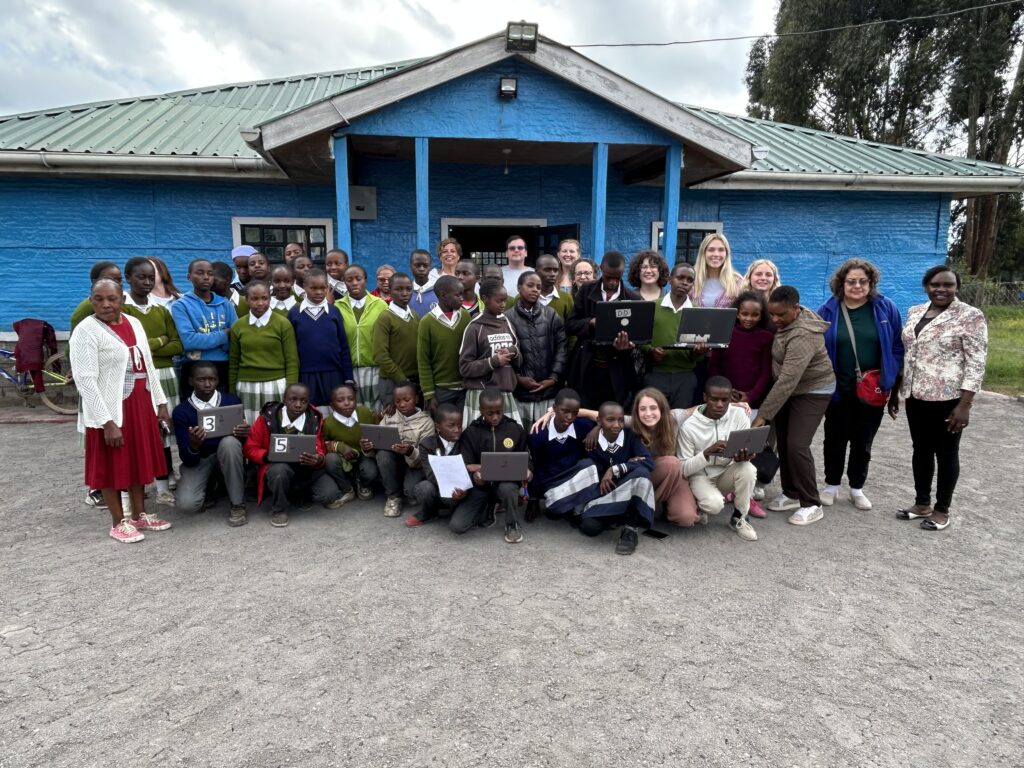
Gazelle Impact empowers rural women and youth in economically marginalized communities across Kenya to develop sustainable, community-led solutions that strengthen livelihoods, expand opportunity, and foster long-term self-sufficiency. We also create ethical service-learning opportunities that broaden global perspectives for American college students through reciprocal engagement with local communities.
Our Vision
We envision thriving rural communities in Kenya where women and youth are empowered to participate fully in social, economic, and civic life, and where global partnerships are rooted in dignity, equity, and shared responsibility.
Why The Name Gazelle?
The gazelle symbolizes beauty, grace, agility, and resilience. In many cultures and spiritual traditions, it represents the balance between vulnerability and strength, moving swiftly through challenges with alertness and purpose.
The name also connects to the biblical figure Tabitha (Dorcas) in Acts 9:36, whose name means “gazelle.” She was known for her acts of charity and her commitment to serving widows, the poor, and the marginalized. Her life reflects generosity, compassion, and uplifting community.
Together, these meanings embody what Gazelle Impact stands for: purposeful movement, strength in adversity, compassion in action, and a commitment to uplifting others.
Bariki Community Center
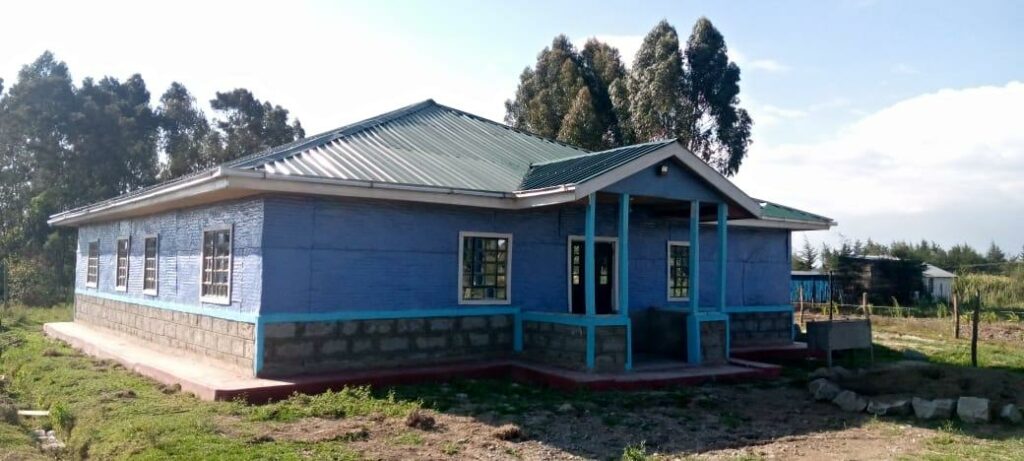
The Bariki Community Learning Center, an initiative of Gazelle Impact, serves as a vital hub for opportunity in rural Kinangop, Central Kenya. Most families in the surrounding area survive on one to two acres of land, relying on subsistence farming that is increasingly threatened by climate variability, limited infrastructure, and unstable markets. Bariki responds to these realities by creating practical pathways to resilience. Through education, digital access, sustainable agriculture, and community-based leadership development, the center equips women and youth with the skills, confidence, and resources they need to improve livelihoods and strengthen their communities.
Impact At A Glance
500+ people reached
Women, youth, and families benefit from education, skills training, and shared community resources within a one-kilometer radius of the center.
30 youth are empowered each week
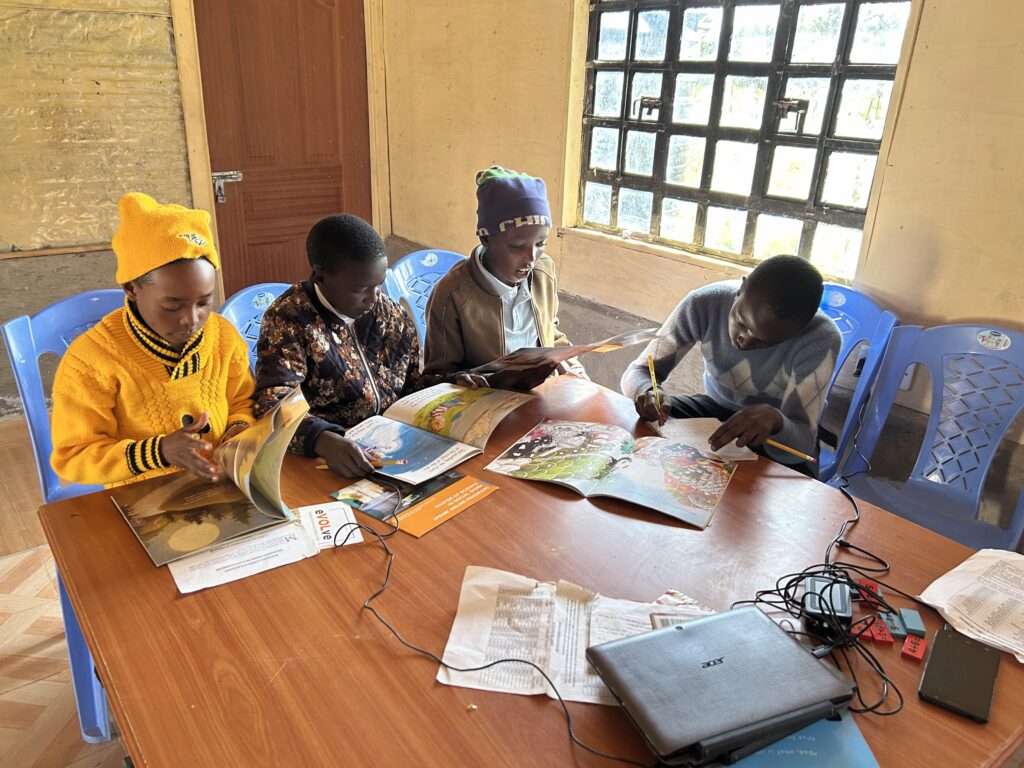
Middle and high school students gain essential digital and computer skills that support academic success, employability, and future careers.
30 women engaged in sustainable livelihoods
Women ages 25 to 75 strengthen food security and household income through organic farming and climate-responsive practices.
Women and youth at the center
The majority of participants are women and young people from low-income, farming households.
One community hub for learning and opportunity
The center has become a safe, accessible space that supports education, innovation, leadership, and collective growth in rural Kinangop.
Building resilience where it matters most
Programs are designed in direct response to climate vulnerability, limited infrastructure, and economic instability.